
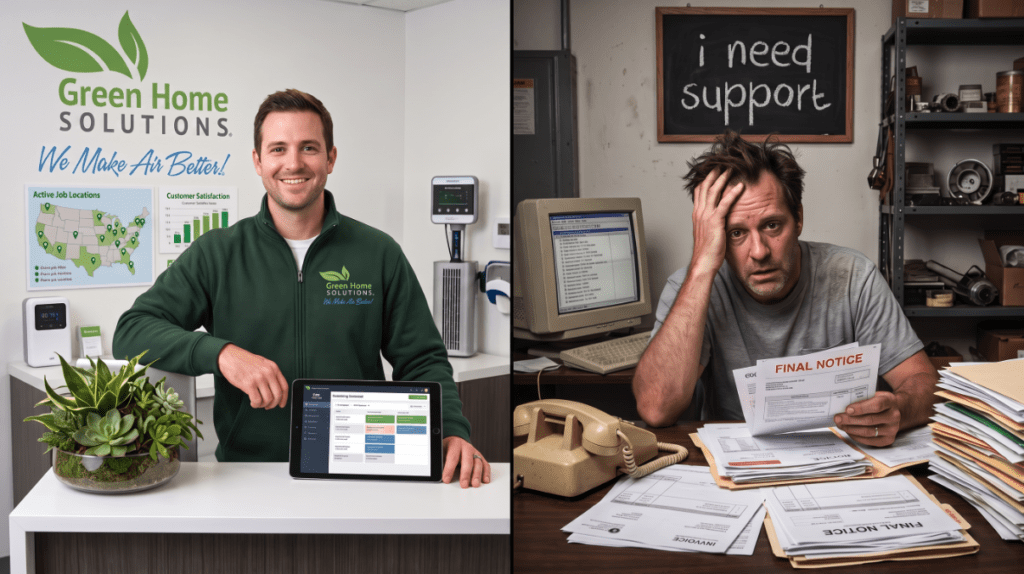
Stepping into the world of entrepreneurship is one of the most exciting decisions you will ever make. You have the drive, the capital, and the ambition to become your own boss. However, before you hang a single “Open” sign, you are faced with a monumental decision: Franchise vs. Starting Your Own Business.
This classic dilemma is about much more than just what name goes on the building. It is about understanding your work style, your risk tolerance, and your long-term financial goals. Do you want the security of a proven playbook, or do you crave the absolute freedom of a blank canvas?
In this comprehensive guide, we will break down the nuances of the franchise vs startup debate, giving you actionable insights so you can confidently choose the right path for your entrepreneurial journey.
The Core Dilemma: Two Distinct Paths to Ownership
At its core, evaluating a franchise vs starting your own business comes down to choosing between replication and creation.
When you buy a franchise, you are purchasing the rights to use an existing company’s brand name, trademarks, and proprietary systems. You are stepping into a turnkey business model vs custom startup operations, where the latter requires you to build every single process from the ground up—from supply chains to branding, and from employee handbooks to product development.
Both paths can lead to incredible wealth and personal fulfillment, but they require entirely different mindsets. Let us explore the advantages and disadvantages of each.
The Pros and Cons of Buying a Franchise
For many first-time entrepreneurs, franchising feels like a safer bet. You are buying into a system that has already worked in other markets.
The Perks of a Proven System
The franchise benefits are numerous, particularly for those who excel at following “the recipe” for success and executing a plan rather than inventing one.
- Built-in Customer Base: One of the most significant established brand recognition benefits is that you do not have to explain who you are. If you open a globally recognized fast-food chain, customers will be lined up on day one because they already trust the product.
- A Safety Net of Guidance: You are never truly alone. The ongoing operational support in franchising means you receive initial training, marketing materials, and a dedicated corporate team to help troubleshoot supply chain issues or operational hiccups.
- Easier Access to Capital: Lenders love a proven track record. When applying for funding, SBA loan eligibility for new entrepreneurs is often much easier to secure if you are buying a recognized franchise, as the Small Business Administration (SBA) maintains a registry of approved franchise brands with predictable financial histories.
The Drawbacks of Franchising
However, the safety of a franchise usually comes with strict strings attached.
- Financial Trade-offs: You must carefully weigh franchise royalties vs independent business profits. In a franchise, you will typically pay an initial franchise fee, plus ongoing monthly royalties (often a percentage of your gross revenue, not net profit) and marketing fund contributions. This can eat into your margins.
- Playing by the Rules: A major point of friction for rebellious entrepreneurs is the strict franchise agreement legal obligations. You must adhere to corporate mandates regarding store layout, operating hours, pricing, and approved suppliers.
- Lack of Flexibility: If you notice a local food trend and want to add a unique item to your menu, you generally cannot. The system prioritizes uniformity over individual creativity.
Green Home Solutions Takes a Different Approach
While we provide the proven systems, training, and brand recognition entrepreneurs expect from a franchise, we also believe owners should have the flexibility to grow their businesses. Green Home Solutions franchise owners have the ability to expand their service offerings, build local partnerships, and adapt their marketing to meet the needs of their communities. Rather than creating unnecessary restrictions, our model is designed to support entrepreneurial thinking while providing the guidance and resources needed to build a successful business.
The Pros and Cons of Starting Your Own Business
If the idea of paying royalties and following someone else’s rulebook sounds stifling, launching an independent startup might be your true calling.
The Freedom to Build
Building a business from scratch is the ultimate expression of the entrepreneurial spirit.
- Total Ownership and Vision: The biggest draw is the creative control in independent business ownership. You choose the name, the culture, the products, and the marketing strategy. If something isn’t working, you can pivot immediately without waiting for corporate approval.
- Keeping What You Earn: Once your business becomes profitable, 100% of those profits belong to you (or your investors). No mandatory monthly royalties are draining your bank account.
- Defining Your Own Lifestyle: The autonomy differences in business ownership models are vast. As an independent owner, you decide when to open, when to close, and how to scale your business on your timeline.
The Challenges of Ground-Up Growth
With great freedom comes great responsibility—and significantly more risk.
- The Uphill Battle of Branding: Overcoming market entry barriers for new brands is notoriously difficult. You have to convince consumers to trust a company they have never heard of, which often requires a massive initial investment in marketing and advertising.
- The Burden of Discovery: Before launching, you must spend months (if not years) conducting market research for a new business concept. You have to source your own suppliers, figure out your own logistics, and design your own workflows through trial and error.
- Higher Risk of Failure: When figuring out how to mitigate risk when starting a new venture, independent founders have to rely entirely on their own instincts, mentors, and cash reserves. There is no corporate safety net to catch you if your initial business thesis is wrong.
Analyzing the Financials: Which Makes More Sense?
When calculating the total cost of ownership of a franchise vs. a startup, the numbers can vary wildly.
A franchise usually has a higher upfront barrier to entry due to the initial franchise fee, mandated equipment purchases, and specific real estate requirements. However, the costs are highly predictable. The franchisor will give you an exact range of what it costs to open the doors.
An independent startup can often be launched much more leanly. You can start a business out of your garage, use second-hand equipment, and bootstrap your growth. However, startups often suffer from “hidden costs” as founders inevitably make expensive mistakes while learning the ropes.
Another critical metric is the success rate of franchises vs small businesses. Historically, it has been widely cited that franchises have a higher survival rate over a five-year period because the business model has been stress-tested. While a startup carries a higher risk of early failure, a successful independent business often boasts a much higher ceiling for long-term profitability since there are no royalty caps on growth.
Critical Steps Before Making Your Decision
If you are still on the fence, you need to conduct rigorous due diligence. Here is how to approach the final stages of your decision-making process.
1. Dig Into the Paperwork
If you are leaning toward the franchise route, do not sign anything until you understand the steps to evaluate a franchise disclosure document (FDD). The FDD is a federally mandated legal document that outlines the franchisor’s financial health, hidden fees, litigation history, and the financial performance representations (Item 19) of existing franchisees.
- Actionable Tip: Always hire a franchise attorney to review the FDD. Look closely at the turnover rate of franchisees—if many locations are closing or transferring ownership, consider it a massive red flag.
2. Map Out Your Growth Strategy
Think about where you want to be in ten years. Consider the scalability of franchise systems vs independent models.
- Franchise Scalability: Scaling is relatively straightforward. You buy the rights to another territory and repeat the exact same process. Many wealthy entrepreneurs are “multi-unit” franchisees owning dozens of locations.
- Independent Scalability: Scaling an independent business requires you to build your own replication systems. You must document standard operating procedures (SOPs) from scratch to ensure your second location runs as smoothly as your first. Ironically, successful independent businesses often end up becoming franchisors themselves to achieve rapid scale!
3. Assess Your Risk Profile
Be deeply honest with yourself about your risk tolerance. An independent business is high-risk, high-reward. A franchise is generally medium-risk, medium-reward. Speak with both independent founders and current franchisees in the industry you are targeting. Ask them about their daily stresses, their work-life balance, and their financial returns.
Making the Leap
Ultimately, deciding between a Franchise vs. Starting Your Own Business is a deeply personal choice. There is no single “right” answer—only the right answer for you.
If you are a visionary who wants to disrupt an industry, create a unique company culture, and retain complete control over your financial destiny, starting an independent business is likely your best route.
Conversely, if you are a strong operator who wants to minimize the guesswork, leverage an established brand, and follow a proven roadmap to financial independence, franchising offers an incredibly powerful vehicle for wealth creation.
Whichever path you choose, remember that both require relentless hard work, resilience, and a passion for serving your customers. Do your research, understand the legal and financial obligations, and take that exciting first step toward building your entrepreneurial future.
Ready to Build a Business With Support Behind You?
Starting a business from scratch isn’t the only path to business ownership. If you’re looking for the independence of owning your own company with the advantage of an established brand, proven systems, comprehensive training, and ongoing support, Green Home Solutions may be the right fit.
Whether you’re exploring entrepreneurship for the first time or looking for your next business opportunity, we’re here to help you determine if franchising aligns with your goals.
Take the next step today. Contact our franchise development team to learn more about available territories, our discovery process, and what it takes to become a Green Home Solutions franchise owner.